
Reality check
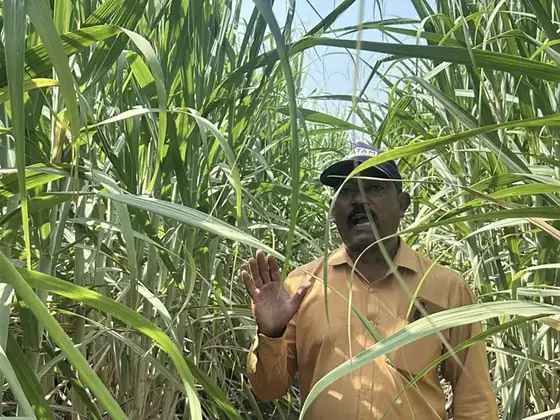
A single Trichogramma card holds thousands of tiny wasps that hunt borer eggs before they hatch. Biological control is not weaker than chemicals; it is earlier.
Biological control uses living organisms and natural products to keep pests and diseases below damaging levels: beneficial fungi and bacteria such as Trichoderma, Pseudomonas, Beauveria and Metarhizium, viruses such as NPV, parasitoids such as Trichogramma, and traps and neem. They work best early and preventively, as part of integrated pest management, not as a last rescue.
The main tools
| Tool | What it is | Used against |
|---|---|---|
| Trichoderma | Soil fungus | Root rot, wilt, damping off; seed and soil treatment |
| Pseudomonas fluorescens | Bacterium | Several leaf and root diseases; seed, soil and spray |
| Beauveria bassiana | Insect-killing fungus | Hoppers, whitefly, borers, beetles |
| Metarhizium anisopliae | Insect-killing fungus | White grub, termites, hoppers |
| NPV (nuclear polyhedrosis virus) | Virus specific to one pest | Helicoverpa and Spodoptera caterpillars |
| Trichogramma cards | Tiny wasp that kills pest eggs | Borers in sugarcane, cotton bollworms |
| Pheromone traps | Lure male moths | Monitoring and mass trapping of bollworms, fruit fly, borers |
| Yellow and blue sticky traps | Catch flying insects | Whitefly, aphids, thrips |
| Neem products | Plant extract | Feeding deterrent and growth disruptor for many sucking and chewing pests |
Rules that make them work
- Start early. Biologicals prevent and slow pests; they rarely rescue a crop that is already badly hit.
- Fungal products need humidity; spray in the evening.
- Do not mix live fungal or bacterial products with chemical fungicides in the same tank.
- Use fresh product from a registered source, stored cool, before expiry. Bio-pesticides must be registered with the Central Insecticides Board.
- Count pests with traps and field checks, so you act at the right time.
- Protect natural enemies: ladybirds, spiders and lacewings are free pest control. Avoid broad-spectrum sprays where you can.
Prevention first
- Healthy seed and seed treatment.
- Crop rotation, and removing infected plants and residues.
- Balanced nutrition: too much nitrogen invites sucking pests.
- Good drainage and spacing so leaves dry quickly.
- Strong roots and healthy soil; see soil microbial activity.
When to use chemicals
When pests cross the level that causes economic loss and biological options cannot hold them, a registered chemical at the label dose may be needed. Choose the most specific product, and leave a gap before returning to biologicals. See mango flowering care and potato blight for crop examples.
Sources
- ICAR-National Centre for Integrated Pest Management
- Central Insecticides Board and Registration Committee
Written by Gafar Laiya, founder of Gujarat Bio Organics, working with farmers since 2006. Results differ from farm to farm with soil, weather, crop and management. Farmer experiences on this site are their own reports, not a promise of results.
Questions
What is biological pest control?
Using living organisms and natural products, such as beneficial fungi, bacteria, viruses, parasitic wasps, traps and neem, to keep pests and diseases below damaging levels.
Does Trichoderma control root rot?
Trichoderma is widely used as a seed and soil treatment to protect roots against root rot, wilt and damping off. It works best as prevention.
Can I mix bio-pesticides with chemical fungicides?
Do not mix live fungal or bacterial products with chemical fungicides in the same tank; the fungicide can kill them.
Do biological controls work as fast as chemicals?
Usually slower. They work best early and as prevention, combined with traps, monitoring and good crop care.
Send us your enquiry
Tell us your crop, the problem and your location, and send a photo if you can. Our team replies on WhatsApp or calls you with what to check, which product suits and where to buy it near you.