
Reality check
Many farms in Gujarat apply phosphorus every year to soil already rich in it. Cutting chemical fertilizer starts with cutting what the crop never uses, not what it needs.
Cut waste first, not the crop's food. Test the soil to stop applying what is already there, place and split fertilizer so more reaches the roots, build organic matter, and add biofertilizers. Reduce in steps over seasons, comparing a strip of the field each time, rather than stopping all fertilizer at once.
Why cutting all at once fails
A field used to high chemical doses, with low organic matter, cannot feed a crop on its own in one season. Growers who stop suddenly often lose yield and go back. Growers who reduce step by step, while building the soil, usually keep their yield and lower their cost.
The path, step by step
| When | What to do |
|---|---|
| Season 1 | Soil test; stop applying nutrients the test shows are high; place fertilizer near roots; split nitrogen |
| Season 1 onward | Add compost or farmyard manure; return crop residues; add biofertilizers suited to the crop |
| Season 2 | Reduce chemical NPK by a modest share on one test strip; compare yield with the rest of the field |
| Season 3 onward | If the test strip held its yield, extend the reduction; test the soil again |
Where most fertilizer is wasted
- Applying phosphorus every year on soils already high in it.
- Broadcasting on the surface instead of placing near roots.
- Giving all the nitrogen at once, much of it lost before the crop can use it.
- Fertilizer on dry soil, or just before heavy rain.
- Ignoring zinc, sulphur or boron, so the NPK cannot do its job.
Tools that help
- Soil and leaf tests. See how to take a soil sample.
- Compost and humic substances. See compost and humic acid.
- Biofertilizers. See which biofertilizers to use.
- Legumes and green manure in the rotation.
- Drip fertigation, which puts small amounts where the roots are.
- When DAP is short: what to use instead of DAP.
Sources
Written by Gafar Laiya, founder of Gujarat Bio Organics, working with farmers since 2006. Results differ from farm to farm with soil, weather, crop and management. Farmer experiences on this site are their own reports, not a promise of results.
Questions
How can I reduce chemical fertilizer without losing yield?
Test the soil, stop applying what is already high, place and split fertilizer, build organic matter, add biofertilizers, and reduce in steps on a test strip before the whole field.
Can I stop chemical fertilizer completely?
Stopping suddenly usually lowers yield. Reducing step by step over seasons, while building organic matter, is safer.
How much fertilizer can I save?
It depends on your soil and how much was being wasted. A soil test and a test strip in your own field are the honest way to find out.
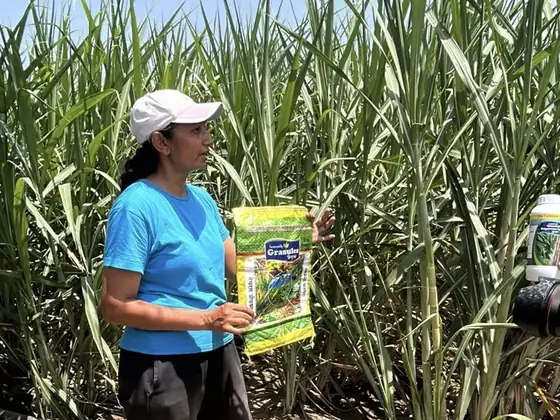
Watch: from the field
From our YouTube channel. Farmers describe their own fields; results differ with soil, weather and care.
Send us your enquiry
Tell us your crop, the problem and your location, and send a photo if you can. Our team replies on WhatsApp or calls you with what to check, which product suits and where to buy it near you.